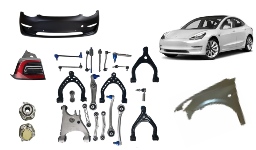
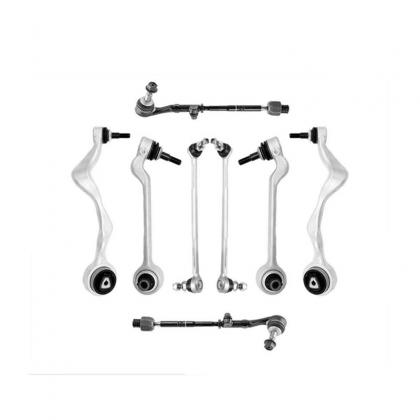
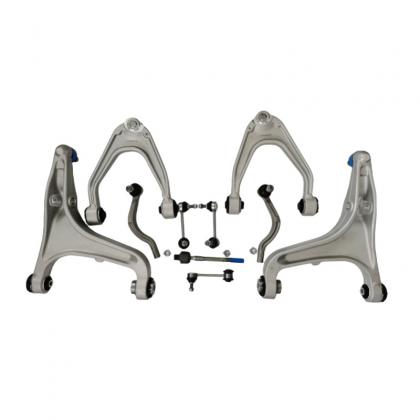
OEM Code 31126769797, 31124036269, 31122409599, 31122405861, 31126769798, 31126769802, 31124036270, 31126770849, 31122405859, 31126763699, 31126770850, 31126763700 MOQ 1 set Payment Term 30% TT Pay in Advance, Balance Pay Against B/L Copy, L/C Trading Term FOB, CIF, CFR, EXW Package Neutral Package or with Your Logo Package Service OEM & ODM
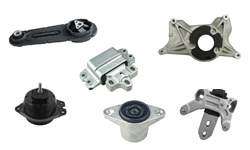
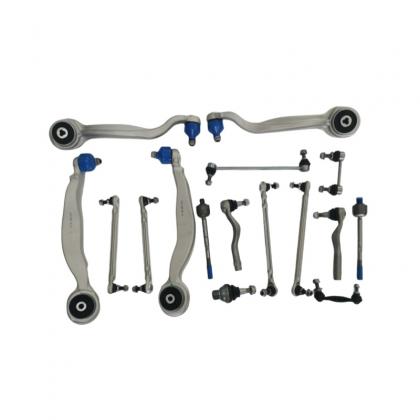
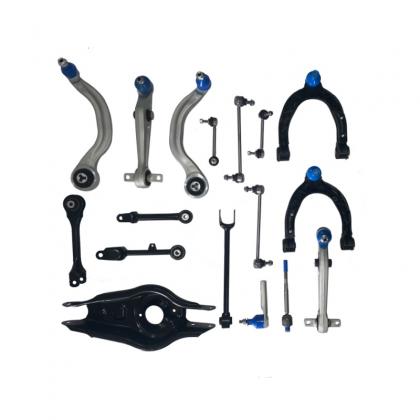
Read MoreOEM Code 2123301911 / A2123301911, 2123303111 / A2123303111, 2123303211 / A2123303211, 2123202589 / A2123202589, 2123202689 / A2123202689, 2123302403 / A2123302403 / 2124600105 / A2124600105, 2123302703 / A2123302703 / 2124600205 / A2124600205, 2123302803 / 2223309502 / A2123302803 / A2223309502 MOQ 1 set Payment Term 30% TT Pay in Advance, Balance Pay Against B/L Copy, L/C Trading Term FOB, CIF, CFR, EXW Package Neutral Package or with Your Logo Package Service OEM & ODM
Read MoreOEM Code 670107802, 670107803 MOQ 1set Payment Term 30% TT Pay in Advance, Balance Pay Against B/L Copy, L/C Trading Term FOB, CIF, CFR, EXW Package Neutral Package or with Your Logo Package Service OEM & ODM
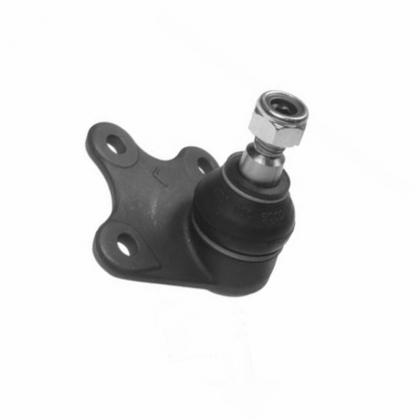
Read MoreOEM Code 6Q0407365A,6Q0407365B,6Q0407365M,8Z0407365A MOQ 1pcs Payment Term 30% TT Pay in Advance, Balance Pay Against B/L Copy, L/C Trading Term FOB, CIF, CFR, EXW Package Neutral Package or with Your Logo Package Service OEM & ODM
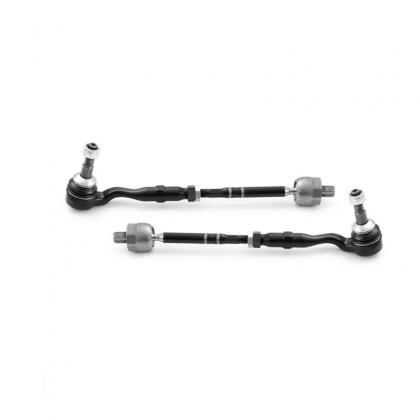
Read MoreOEM Code 32106784716 MOQ 1pcs Payment Term 30% TT Pay in Advance, Balance Pay Against B/L Copy, L/C Trading Term FOB, CIF, CFR, EXW Package Neutral Package or with Your Logo Package Service OEM & ODM
Read MoreOEM Code 1044321-00-J, 1044321-00-H, 1044326-00-J, 1044326-00-H, 1044351-00-C, 1044356-00-C, 1188391-00-B, 1188396-00-B, 104483100F-N, 104483100F-W MOQ 1set Payment Term 30% TT Pay in Advance, Balance Pay Against B/L Copy, L/C Trading Term FOB, CIF, CFR, EXW Package Neutral Package or with Your Logo Package Service OEM & ODM
Read More
Worldwide Customers with High Quality

Years Experience
December
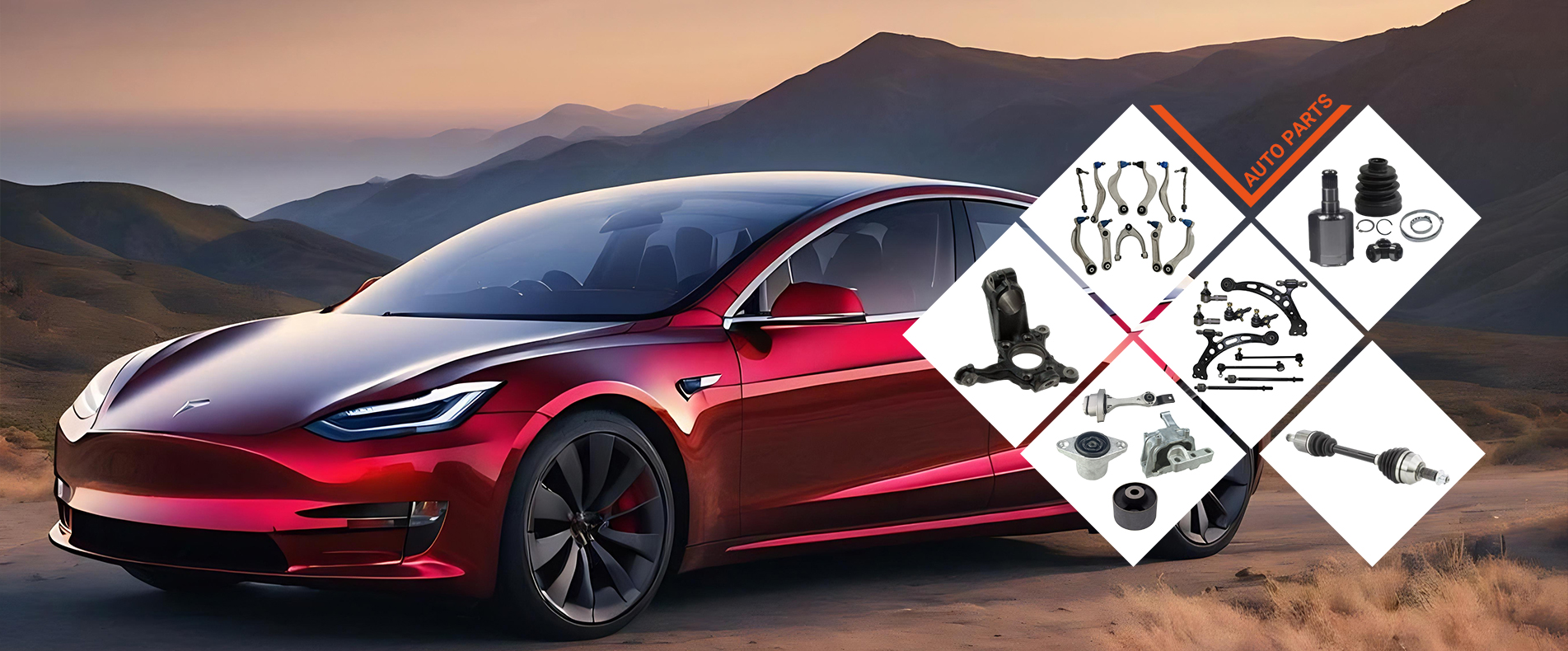
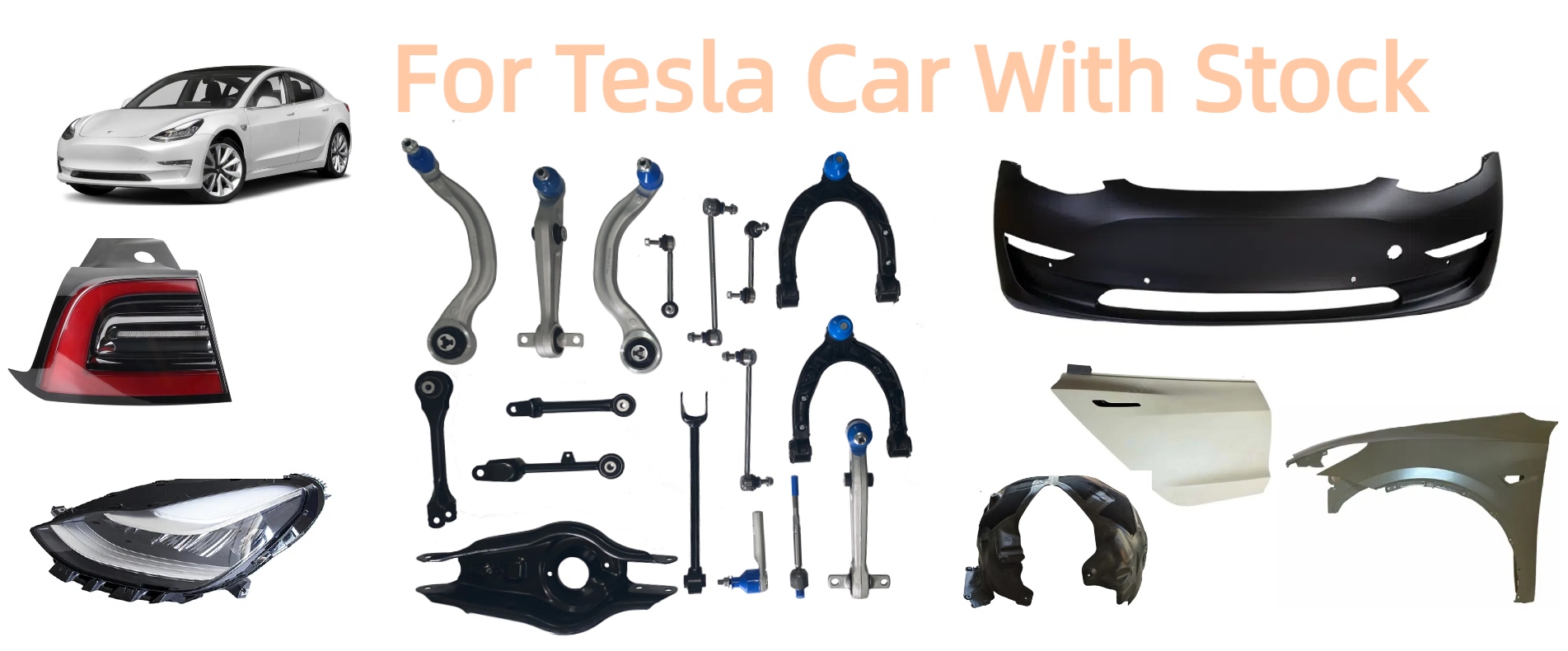
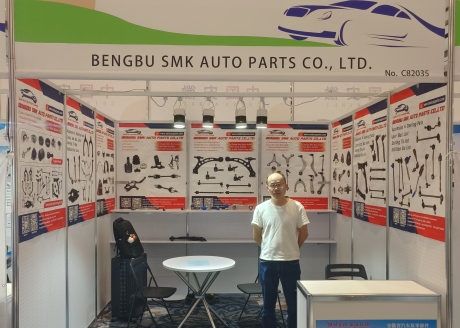
Bengbu SMK Auto Parts Co.,Ltd attend the Automotive Aftermarket Products Expo AAPEX 2024 in Las Vegas, USA. We Produce Suspension & Steering Parts Fits for VAG VW Skoda Seat Audi BMW Mini Mercedes Benz Smart Porsche Tesla Land Rover Jaguar Ford Fiat Opel Vauxhall Chevrolet Nissan Renault Toyota Mitsubishi Suzuki Peugeot Citroen Hyundai Kia Daewoo Lexus Acura Infiniti Sabaru Volvo Saab Jeep Chrysler Dodge Mercury GMC Lincoln Cadillac... Besides, We supply aftermarket parts for Tesla Model 3 Y S X Car, and stock available.
Read More
December
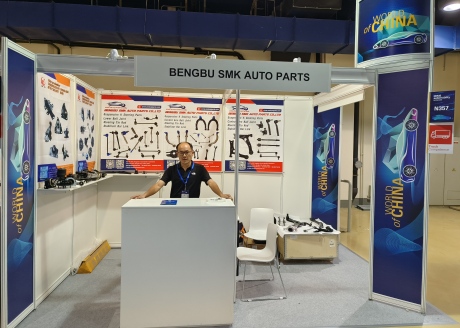
Bengbu SMK Auto Parts Co.,Ltd Attend the auto parts show of MIMS Automobility Moscow 2024 where we meet the customers from Russia there. We produce and supply suspension and steering parts such as control arm ball joint steering knucle shock absorber engine mounting to Russia market for Japanese car, Europe Car, Chinese car...
Read More
December
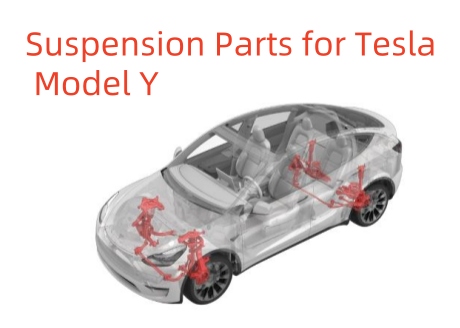
The Suspension Parts List and Catalogue for Tesla Model Y diagram online, contact for pdf files Model Y Collision Repair Procedures Manual aftermarket replace parts only 31 - Suspension Front and Rear Knuckle - Hub and Bearing Front and Rear Stabilizer Bar and Links Front and Rear Suspension Arms Front Coil Spring and Damper Rear Coil Spring and Damper 30 - Chassis 3001 - Chassis and Subframes FRONT SUBFRAME ASSEMBLY 1044531-01-B REAR SUBFRAME ASSEMBLY 1044580-01-D REAR SUBFRAME SHEAR PLATE- FRONT - RIGHT HAND 1044576-00-D REAR SUBFRAME SHEAR PLATE- FRONT - LEFT HAND 1044573-00-D 3101 - Front Suspension (including Hubs) FRONT KNUCKLE - LEFT HAND 1188311-00-F FRONT KNUCKLE - RIGHT HAND 1188316-00-F DRIVEN HUB 150MM FLANGE 1044121-00-E NON DRIVEN HUB 150MM FLANGE 1044122-00-E DRIVEN HUB 142MM FLANGE 1044123-00-B FR LWR COMP LINK ASSY CN, ZF LH 2188354-10-B FR LWR COMP LINK ASSY, CN, RH 2188359-10-B FRONT LOWER LATERAL LINK ASSEMBLY 1188341-00-C FRONT UPPER CONTROL ARM ASSEMBLY - LEFT HAND 1044321-00-J FRONT UPPER CONTROL ARM ASSEMBLY - RIGHT HAND 1044326-00-J FRONT UPPER CONTROL ARM ASSEMBLY - LEFT HAND 1188321-00-A FRONT UPPER CONTROL ARM ASSEMBLY - RIGHT HAND 1188326-00-A FRONT HEIGHT SENSOR ASSEMBLY - LEFT HAND 1044941-00-B FRONT STABILIZER BAR ASSEMBLY 28 MM X 5.0 MM 1144387-00-B FRONT STABILIZER BAR ASSEMBLY - 31MM X 4.7 MM 1188386-00-A FRONT STABILIZER LINK ASSEMBLY- LEFT HAND 1188391-00-B FRONT STABILIZER LINK ASSEMBLY- RIGHT HAND 1188396-00-B FRONT BRACKET- STABILIZER BAR BUSHING 1188383-00-A 3103 - Rear Suspension (including Hubs) REAR KNUCKLE ASSEMBLY - LEFT HAND 1188411-00-G REAR KNUCKLE ASSEMBLY - RIGHT HAND 1188416-00-G DRIVEN HUB 142MM FLANGE 1044123-00-B REAR LOWER AFT LINK ASSEMBLY 1044451-00-F REAR UPPER AFT LINK ASSEMBLY - 25X19 1188423-00-A REAR UPPER AFT LINK ASSEMBLY - 25X19 1188423-00-B REAR UPPER FORE LINK 1188421-00-B REAR LOWER FORE LINK ASSEMBLY 1044441-00-F REAR TOE LINK ASSEMBLY 1188431-00-A REAR HEIGHT SENSOR ASSEMBLY - LEFT HAND 1044971-00-C REAR STABILIZER BAR ASSEMBLY - 23.6MM X 3.5MM 1044481-00-E REAR STABILIZER BAR ASSEMBLY - 25.2X4.4MM 1188485-00-A REAR STABILIZER BAR LINK - LEFT HAND 1044491-00-F REAR STABILIZER BAR LINK - RIGHT HAND 1044496-00-F 3115 - Coil Spring Suspension System DAMPER ASSEMBLY COIL E3 - DUAL MOTOR - FRONT LEFT HAND 1188363-00-E DAMPER ASSEMBLY COIL E3 - FRONT LEFT HAND 1188363-00-H DAMPER ASSEMBLY COIL E1 - REAR WHEEL DRIVE - FRONT LEFT HAND 1188364-00-C DAMPER ASSEMBLY COIL E1 - REAR WHEEL DRIVE - FRONT LEFT HAND 1188365-00-B DAMPER ASSEMBLY COIL E3 - DUAL MOTOR - FRONT RIGHT HAND 1188368-00-E DAMPER ASSEMBLY COIL E3 - DUAL MOTOR - FRONT RIGHT HAND 1188368-00-H DAMPER ASSEMBLY COIL E1 - REAR WHEEL DRIVE - FRONT RIGHT HAND 1188369-00-C FRONT DAMPER ASSEMBLY - PERFORMANCE COIL - FRONT - DUAL MOTOR PERFORMANCE 1188371-00-E DAMPER ASSEMBLY COIL E3 - DUAL MOTOR PERFORMANCE - FRONT LEFT HAND 1188371-00-F FRONT DAMPER ASSEMBLY - RIGHT HAND - PERFORMANCE 1188376-00-E DAMPER ASSEMBLY COIL E3 - DUAL MOTOR PERFORMANCE - FRONT RIGHT HAND 1188376-00-F DAMPER ASSEMBLY COIL E1 - REAR WHEEL DRIVE - FRONT RIGHT HAND 1188379-00-B DAMPER ASSEMBLY COIL E1 - REAR WHEEL DRIVE - FRONT LEFT HAND 1288365-00-B DAMPER ASSEMBLY COIL E1 - REAR WHEEL DRIVE - FRONT RIGHT HAND 1288379-00-B MOUNT- FRONT UPPER CONTROL ARM - LEFT HAND 1044371-00-D MOUNT- FRONT UPPER CONTROL ARM - RIGHT HAND 1044376-00-D MOUNT ISOLATOR- FRONT UPPER CONTROL ARM - LEFT HAND 1044031-00-B MOUNT ISOLATOR- FRONT UPPER CONTROL ARM - RIGHT HAND 1044036-00-B DAMPER ASSEMBLY COIL - DUAL MOTOR - REAR 1188463-00-C DAMPER ASSEMBLY COIL - REAR WHEEL DRIVE - REAR 1188463-00-E DAMPER ASSEMBLY COIL - REAR WHEEL DRIVE - REAR 1188463-50-E DAMPER ASSEMBLY COIL - REAR WHEEL DRIVE - REAR 1188464-00-B REAR DAMPER ASSEMBLY - DUAL MOTOR PERFORMANCE 1188465-00-E DAMPER ASSEMBLY COIL - DUAL MOTOR PERFORMANCE - REAR 1188465-00-F REAR SPRING UPPER ISOLATOR 1188471-00-C SPRING, REAR, COIL 88.0-6750. 1188472-00-B SPRING - REAR - COIL 90.0-7200 1188474-00-B SPRING - REAR - COIL 90.0-7200 LOW 1188475-00-D SPRING - REAR - COIL 81-6850 1188476-00-B REAR SPRING ASSEMBLY - COIL 88-6850 1188479-00-A REAR SPRING ASSEMBLY COIL 81-7300 2288474-00-A REAR SPRING LOWER ISOLATOR 1044479-00-E RETENTION WASHER - M10. 1044407-00-A REAR JOUNCE BUMPER 1044464-00-C
Read More
June
We will attend the INA PAACE Automechanika Mexico Fair 2026 with Suspension & Steering Parts and Engine Mounting, looking forward to see you at Mexico City. Aftermarket Tesla Replace Parts Stock Available. Welcome to the largest event for the Automotive Aftermarket Industry in Latin America. from July 8th to 10th, 2026 at Centro Banamex, Mexico City. Booth No.:4803 BENGBU SMK AUTO PARTS CO.,LTD Contact by WhatsApp:+8613855273205
Read More
December
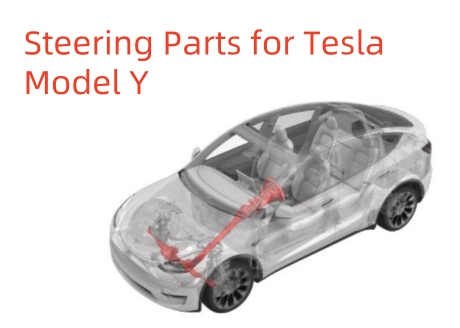
Steering Parts online Catalogue Diagram List for Tesla Model Y, for pdf files contact us. Model Y Collision Repair Procedures Manual or Aftermarket Replace use 32 - Steering 3201 - Steering Rack and Lower Column STEERING GEAR ASSEMBLY - LEFT HAND DRIVE 1044832-00-B STEERING GEAR ASSY, LEFT HAND DRIVE 1188833-00-A 3205 - Upper Column and Steering Wheel STEERING WHEEL - PUR LEATHER 1490214-CN-D STEERING WEEL ASSEMBLY - PUR HEATED 1626599-00-D Steering Rim Assembly 2092566-00-A ELECTRIC STEERING COLUMN - LEFT HAND DRIVE 1188871-00-A STEERING COLUMN CONTROL MODULE 1097662-00-R INSTRUMENT PANEL STEERING COLUMN SHROUD UPPER ASSEMBLY 1683771-00-A STEERING WHEEL SWITCH - LEFT HAND - MATTE ALUMINUM 1094966-02-G STEERING WHEEL SWITCH - RIGHT HAND - MATTE ALUMINUM 1094965-02-G STEERING WHEEL ELECTRONIC CONTROL UNIT ASSEMBLY 1101556-03-C STEERING WHEEL - LOWER SPOKE COVER 1096972-00-D STEERING WHEEL - LOWER SPOKE COVER 1626612-00-A INSTRUMENT PANEL - STEERING COLUMN - SHROUD LOWER SUB 1099284-80-E INSTRUMENT PANEL - STEERING COLUMN - SHROUD LOWER SUB 1683775-00-A HEATED SWITCH SPOKE BRIGHT SURROUND 1508162-00-B STEERING WHEEL BRIGHT SURROUND 1626613-00-B SWITCH HARNESS 1508163-00-B SWITCH HARNESS 1626615-00-A STEERING WHEEL - HORN ASSEMBLY 1119156-00-D INSTRUMENT PANEL STEERING COLUMN UPPER GAP HIDER ASSEMBLY 1683951-00-A
Read More
July
Your car’s suspension system is the unsung hero of every smooth, safe drive. It works tirelessly behind the scenes, absorbing road bumps, stabilizing your vehicle, keeping your tires grounded, and ensuring precise steering control. Most drivers barely notice it’s there—until it starts to fail. A faulty suspension system doesn’t just ruin your ride comfort; it puts your safety, your passengers’ well-being, and even your tires and brakes at serious risk. The worst part? Suspension issues often develop gradually. Minor signs of wear and tear are easy to brush off as “normal road noise” or trivial quirks. By the time you notice obvious problems, small, inexpensive fixes have often turned into costly, extensive repairs. To help you catch suspension damage early and drive with confidence, we’ve put together this complete guide to identifying a failing suspension system, covering all the key warning signs, common causes, DIY checks, and essential vehicle maintenance tips. What Does Your Suspension System Do, Exactly? Before diving into failure signs, it helps to understand the core role of your suspension system. Made up of shocks, struts, springs, control arms, ball joints, tie rods, and bushings, this complex assembly has three primary jobs: Absorb road impact: It cushions your car from potholes, speed bumps, rough pavement, and uneven road surfaces to deliver a smooth ride. Maintain tire contact: It keeps all four tires firmly pressed against the road at all times, maximizing traction, braking power, and handling accuracy. Stabilize vehicle movement: It reduces rolling, swaying, bouncing, and nose diving during acceleration, braking, and cornering. Every component in this system works in tandem. When one part weakens or breaks, the entire system’s performance declines—and your car’s safety drops with it. 10 Key Warning Signs of a Failing Suspension System Suspension failure never happens overnight. It sends out subtle and not-so-subtle warnings long before it fully malfunctions. Watch out for these common red flags during your daily drives. 1. Excessive Bouncing After Hitting Bumps This is the most recognizable sign of worn-out shocks or struts. A healthy suspension absorbs impact in one smooth motion. If your car continues to bounce multiple times after hitting a pothole or speed bump, your shocks have lost their damping ability. Even minor bounces on flat roads are a clear indicator that your suspension components are worn and need inspection. 2. Pulling or Drifting While Driving Does your car constantly drift to the left or right even when you’re holding the steering wheel straight? Many drivers blame poor alignment, but worn suspension parts are often the real culprit. Damaged springs, uneven shock wear, or loose ball joints create unequal resistance on either side of your vehicle, causing consistent pulling. This issue worsens at high speeds and drastically increases the risk of lane drift accidents. 3. Rough, Bumpy Ride Quality If every small crack in the road translates to a jolt inside your car, and even smooth pavement feels rigid and jarring, your suspension is no longer doing its job. As shocks and struts degrade, they lose their ability to cushion vibration. What was once a quiet, comfortable ride becomes stiff, bumpy, and fatiguing—especially on longer drives. 4. Nose Diving or Squatting During Braking & Acceleration Pay attention to how your car moves when you hit the brakes hard or speed up quickly. A failing suspension will cause your car’s front end to lurch forward (nose dive) during braking, and the rear end to squat down during fast acceleration. This happens because worn shocks can’t stabilize weight transfer. Beyond an uncomfortable ride, this issue extends your braking distance, making emergency stops less effective and more dangerous. 5. Body Sway When Cornering A stable car should feel firm and grounded when taking turns. If your vehicle leans heavily to one side and sways excessively during cornering, your sway bar links or bushings are likely worn out. Severe body roll reduces steering precision and can even lead to loss of control in sharp turns or windy conditions. 6. Uneven Tire Wear Your tires tell you more about your suspension than you might think. A faulty suspension distributes weight unevenly across your tires, leading to irregular tread wear. Look for patchy bald spots, excessive wear on one edge of the tire, or scuffed treads. While poor alignment causes similar issues, uneven tire wear paired with a bumpy ride is a definitive suspension red flag. Ignoring this leads to premature tire replacement and compromised road grip. 7. Unusual Noises From the Wheels Listen closely when driving over rough roads, turning, or braking. A failing suspension often produces distinct noises: clunking, rattling, squeaking, or knocking sounds from the wheel wells. Clunking typically signals loose or damaged ball joints, control arm bushings, or sway bar links, while squeaking usually comes...
Read More
July
Your car’s suspension system is the unsung hero of every drive. It connects your vehicle to the road, absorbs bumps, stabilizes steering, and ensures a smooth, safe ride. Made up of shock absorbers, struts, control arms, ball joints, and suspension springs, these parts endure constant stress, road debris, and daily wear and tear. Over time, suspension components degrade and lose their functionality. Driving with faulty suspension parts not only ruins your driving experience but also triggers uneven tire wear, poor handling, and even serious safety hazards. To help you spot issues early, we’ve rounded up 10 common warning signs that your car suspension needs immediate inspection and replacement. 1. Excessive Bouncing After Hitting Bumps If your car continues to bounce multiple times after driving over speed bumps, potholes, or rough roads, your shocks or struts are most likely worn out. Healthy suspension parts suppress bounce instantly after impact. Continuous bouncing means the suspension can no longer absorb road vibrations, indicating failed dampers that need replacement. 2. Uneven or Rapid Tire Wear Misaligned and worn suspension parts disrupt your car’s wheel alignment, causing tires to make uneven contact with the road. You will notice patchy wear, bald spots, or excessive wear on one side of the tires. Unlike normal tire abrasion, irregular tire wear is a clear red flag for suspension failure, which cannot be fixed by simple tire rotation. 3. Pulling to One Side While Driving When cruising on flat, straight roads, if your vehicle constantly drifts or pulls to the left or right without steering input, your suspension system is out of balance. Damaged control arms, worn ball joints or broken suspension springs can cause inconsistent wheel positioning, leading to poor straight-line stability and unsafe driving conditions. 4. Stiff or Loose Steering Response Suspension issues directly affect steering performance. Worn suspension bushings and joints can make your steering overly loose and vague, with noticeable delay when turning the wheel. In other cases, damaged suspension components may cause stiff, heavy steering that requires extra effort to maneuver. Both scenarios signal aging suspension parts. 5. Noisy Suspension When Driving Over Rough Roads If you hear strange clunking, rattling, or squeaking noises from the wheels or undercarriage on bumpy roads, your suspension parts are loose or worn. Damaged ball joints, worn sway bar links and deteriorated bushings will create abnormal friction and impact sounds. The noise usually gets louder as suspension wear worsens. 6. Car Sags on One Corner Visually check your car’s stance when it’s parked on level ground. If one corner (front or rear) sits lower than the others, your suspension springs are fatigued or broken. Weak springs lose their load-bearing capacity, causing uneven vehicle height. This issue severely compromises ride comfort and braking stability. 7. Increased Brake Dive and Acceleration Squat Healthy suspension stabilizes vehicle posture during braking and acceleration. Worn shocks and struts fail to hold the car steady, leading to obviousbrake dive(the car nose dips sharply when braking) andacceleration squat(the rear end sinks when speeding up). Excessive body movement confirms faulty suspension dampers. 8. Unstable Cornering and Body Roll When taking turns at low or medium speeds, if your car leans excessively to one side and feels unstable, your suspension sway bar or struts are worn out. Severe body roll reduces cornering grip, increases the risk of skidding, and greatly weakens driving safety. 9. Visible Damage on Suspension Components A simple undercarriage inspection can reveal obvious suspension problems. Look for leaking fluid on shocks and struts, cracked or broken springs, rusted and deformed control arms, and loose fasteners. Any physical damage or fluid leakage means the parts have lost their working performance and need replacement. 10. Rough and Uncomfortable Ride Quality The most intuitive sign is a harsh, bumpy ride. Even on smooth paved roads, you can clearly feel minor road vibrations and jolts transmitted into the cabin. When suspension parts lose their shock-absorbing ability, every small road imperfection is amplified, making daily driving tiring and uncomfortable. Why Timely Suspension Replacement Matters Many drivers ignore minor suspension symptoms, but worn suspension parts will not repair themselves. Delayed replacement will accelerate tire wear, damage other chassis parts, and even cause steering failure during driving. Timely inspection and replacement of faulty suspension components ensure precise handling, stable braking, and maximum road safety. Final Thoughts Your car’s suspension system is critical to driving safety and comfort. By recognizing these 10 warning signs early, you can avoid costly major repairs and potential traffic accidents. If you notice any of the above symptoms, visit a professional auto repai...
Read More
July
Have you ever experienced a loose, wandery chassis feel while driving over bumps, or noticed your car feels floaty and unstable at highway speeds? Even with properly inflated tires and aligned wheels, vague steering, minor body shimmies, and a lack of road confidence are classic signs of worn suspension components. The suspension system is the bridge between your car’s body and the road. Over years of hitting potholes, driving over rough pavement, and enduring daily wear and tear, rubber parts degrade, metal components wear out, and tolerances loosen. Instead of blindly replacing random parts, let’s break down which key suspension components cause loose chassis and high-speed float and when they need to be swapped out. 1. Sway Bar Links & Bushings (Most Common Culprit) Sway bars (anti-roll bars) keep your car stable during cornering and suppress body roll. The connecting links and rubber bushings are the fastest-wearing suspension parts on most vehicles. When these components wear: Small gaps form in the connection points. On bumpy roads, you’ll hear clunking noises, and the chassis feels loose and disconnected from the road. At speeds above 60-70 mph, the lack of rigid stabilization makes the car float easily, with delayed steering response and wobbly body movement. Replacement sign: Visible cracked, deformed, or missing rubber; play when manually wiggling the sway bar; abnormal clunks over minor bumps. 2. Control Arm Bushings Control arms locate the wheels and maintain precise wheel geometry during driving, braking, and acceleration. The rubber/polyurethane bushings at both ends absorb vibration and keep the control arm firmly positioned. Worn control arm bushings are a leading cause of high-speed float. As rubber ages and hardens or cracks, the control arm develops excess movement. Your wheels can’t stay fixed in their designed position, leading to subtle back-and-forth shifts at highway speeds. Drivers often describe this feeling as “the car won’t hold the road” or “drifting without steering input.” Unlike faulty sway bar parts, worn control arm bushings rarely make loud noises, making them a hidden culprit for loose chassis feel. Replacement sign: Uneven tire wear, vague steering feel, chassis looseness with no obvious clunking, poor high-speed stability. 3. Ball Joints Ball joints act as flexible pivots for the steering and suspension system, enabling smooth wheel movement. They bear constant vertical and horizontal load during every drive. Minor wear in ball joints creates tiny free play gaps. At low speeds, this only causes a slight loose steering feel. But at high speeds, this small play amplifies dramatically, resulting in severe floating, steering shakiness, and even dangerous wheel oscillation. Severely worn ball joints will produce knocking sounds and can even lead to wheel misalignment or failure if left unaddressed. Replacement sign: Excessive wheel play when lifted off the ground, front-end noise over uneven roads, unstable high-speed tracking. 4. Shock Absorbers & Struts While springs support the vehicle weight, shocks and struts control spring oscillation and dampen road vibrations. They are critical for suppressing body float and maintaining tire contact with the road. Over time, shocks lose hydraulic fluid pressure and damping ability. Worn shocks can no longer control spring movement, causing the car to bounce repeatedly over bumps and feel extremely floaty at highway speeds. This issue worsens in crosswinds, making the vehicle hard to control. Many drivers ignore worn shocks because there’s no obvious noise, but it directly ruins high-speed stability and increases braking distance. Replacement sign: Excessive body bounce after hitting bumps, uneven tire wear, floating sensation at highway speeds, leaking fluid on shock housings. 5. Tie Rod Ends & Steering Rack Bushings Steering system components are closely linked to suspension stability. Tie rod ends connect the steering rack to the steering knuckles, while steering rack bushings fix the rack in place. Worn tie rod ends introduce steering play, making the steering wheel feel loose and delayed. Worn rack bushings cause the entire steering rack to shift slightly under load. Both issues lead tohigh-speed wander — your car constantly needs minor steering corrections to stay straight. Replacement sign: Loose steering wheel feel, delayed steering response, car wandering at high speeds, visible play in tie rod joints. Priority Replacement Guide for Loose Chassis & Float If you’re troubleshooting from mild to severe issues, follow this priority list for the best cost-to-performance improvement: Sway bar bushings & links: Fixes clunking noise and mild chassis looseness (low cost, high improvement). Shocks/struts: Eliminates high-speed floating and body bounce. Control arm bushings: Restores rigid chassis feel and precise wheel positioning. Ball joints + tie rod ends: Eliminates steering play and dangerous high-speed instabi...
Read More
July
Have you ever experienced a stiff steering wheel and strange clicking noises when turning your car in place or at low speeds? Many drivers ignore this minor abnormality at first, thinking it is just a trivial driving sensation. However, this common steering issue is rarely a temporary glitch. In most daily vehicle maintenance cases, 90% of stiff and noisy in-place steering problems stem from aging and worn steering system components. Unlike sudden steering failures, the wear of steering parts is a gradual process. Long-term driving, frequent in-place steering operation, and natural aging will gradually damage vulnerable steering components, leading to increased steering resistance and abnormal friction sounds. Today, we will break down the several core worn parts that most commonly cause this fault, helping you quickly locate the problem and avoid unnecessary maintenance costs. 1. Worn Steering Tie Rod Ends Steering tie rod end is the most susceptible part to aging in the steering system. It connects the steering gear and the steering knuckle, undertaking frequent telescopic and swinging movements during driving. After tens of thousands of kilometers of wear, its internal rubber bushing and ball joint will age, loosen and wear out. Once the tie rod end fails, the steering clearance becomes abnormal. You will obviously feel the steering wheel become heavy when turning in place, accompanied by a regular "clicking" collision noise. This problem is more obvious when the vehicle is stationary or moving at an ultra-low speed, and it will slightly ease up when driving at high speeds, which is also a typical judgment feature of tie rod end wear. 2. Aging Steering Rack Bushing The steering rack bushing plays a role in fixing and buffering the steering gear. Made of rubber material, it is prone to aging, hardening and cracking after long-term exposure to vehicle vibration and high and low temperature changes. When the bushing ages and fails, the steering rack cannot be fixed stably, resulting in offset displacement during steering operation. This displacement will increase the friction resistance of the steering system directly, making the steering wheel heavy and laborious to turn. Meanwhile, the unstable contact between the rack and the fixed seat will produce intermittent clicking and jittering noises. Many drivers mistakenly judge it as a steering machine fault, but in fact, it is only the aging of the rubber bushing. 3. Damaged Steering Column Universal Joint The steering column universal joint is the key connecting part of the steering transmission system. Its internal bearing and damping structure will wear and lose lubrication after long-term use. Once the lubricating oil dries up or the internal parts wear loosely, friction and jamming will occur during steering rotation. This fault is extremely obvious during in-place steering. The steering wheel will have obvious stagnation and heavy feeling, and each rotation will be accompanied by a clear clicking sound inside the cockpit. If not replaced in time, it will further aggravate steering jamming and even affect driving safety. 4. Failed Suspension Ball Joints Although suspension ball joints belong to the suspension system, they are closely linked to the steering operation. The aging and wear of the ball joint rubber sleeve will lead to dust and sediment entering the friction part, causing abnormal wear and gap increase. When turning in place, the suspension ball joint bears lateral force, and the abnormal gap will produce clicking collision noise. At the same time, the unstable support of the suspension will increase the steering load, resulting in the feeling of heavy steering. This fault is often overlooked, but it is one of the common causes of steering abnormal noise and stiffness. Summary To sum up, if your vehicle has stiff in-place steering andclicking abnormal noise, there is no need to blindly check expensive parts such as the steering gear and power pump. In 90% of cases, the fault lies in aging and worn vulnerable parts: tie rod ends, steering rack bushings, steering column universal joints and suspension ball joints. These parts are low in replacement cost and simple in construction. Timely replacement of worn aging parts can completely solve the steering stiffness and abnormal noise problem, restore the smooth steering feel, and effectively avoid subsequent more serious steering system failures and driving risks.
Read More
July
1. Classify Noise Types & Corresponding Fault Parts Different sounds directly point to failed suspension components; match the noise you hear first: (1) Clunk / Thud (Heavy Metal Knocking) Typical symptoms: Loud solid bang when compressing suspension over bumps, worse with heavy loads or sharp speed bumps. Possible broken parts: 1. Worn control arm bushings / cracked subframe bushings 2. Loose or damaged ball joints (upper/lower control arm) 3. Failed shock absorber mounting bolts, broken strut mounts 4. Loose stabilizer bar end links, cracked sway bar bushings 5. Damaged engine/subframe mounting brackets (2) Squeak / Squeal (High-Pitched Rubber Rubbing) Typical symptoms: Sharp creaking only on slow bump compression, quieter in wet weather. Possible broken parts: Dry, cracked sway bar rubber bushings Unlubricated ball joint dust boots Worn strut mount bearing rubber Dried leaf spring shackle bushings (trucks/SUVs) (3) Rattle / Tinny Shaking Typical symptoms: Continuous small jitter noise at low speeds over small bumps. Possible broken parts: Loose stabilizer end link nuts Failed shock absorber internal valves (worn dampers) Loose wheel well liner, brake shield metal sheet Worn coil spring isolator pads (4) Creak / Groan (Deep Rubber Moan) Typical symptoms: Low dull creak when the suspension twists, obvious on slow driveway speed bumps. Possible broken parts: Aged hard rubber bushings for control arms or sway bars. 2. Step-by-Step On-Vehicle Diagnosis Procedure Step 1: Preliminary Road Test (Locate Left / Right / Front / Rear) Drive slowly over speed bumps one side at a time: turn left/right wheels slightly to load one corner only. Record noise position: front-left, front-right, rear axle or full front end. Test two loads: empty vehicle + full passenger load (weight amplifies weak bushing noise). Wet test: Spray water on rubber bushings; if squeaks disappear temporarily, the fault is dry rubber parts. Step 2: Visual Inspection (Vehicle Parked, Wheels Straight) Check all rubber components for cracks, peeling, hardening or separation: sway bar bushings, control arm bushings, strut mount rubber. Inspect ball joint dust boots: torn boots let dirt wash out grease, causing clunks/squeaks. Check shock/strut bodies: oil leakage means failed dampers, which create loose thuds. Check coil springs: broken spring coils produce loud uneven knocks. Tug sway bar end links by hand; any free play confirms worn links. Step 3: Jack & Lift Inspection (Key Play Test) Lift the suspect wheel off the ground with a floor jack and secure jack stands. Ball joint test: Grab the top/bottom of the tire and rock vertically. More than 1mm vertical play = defective ball joint. Control arm bushing test: Pry control arm with a pry bar; visible gap or rubber tear = failed bushing. Strut mount test: Push down hard on the vehicle fender; abnormal bounce + clunk = bad strut mount bearing. Sway bar test: Wiggle the stabilizer bar side to side; loose bushings will shift visibly. Step 4: Eliminate Non-Suspension Interference Noise Many bump noises come from non-suspension parts, rule them out first: Loose brake backing plates rubbing rotors Loose exhaust hangers hitting the subframe Cargo/tools rolling in trunk Loose plastic wheel arch liners Worn wheel bearing (constant hum that worsens on turns, not just bumps) 3. Quick Troubleshooting Guide Heavy metal clunk Most possible faulty part: Ball joint or sway bar end link Quick check method: Wiggle tire vertically High-pitched squeak Most possible faulty part: Dry sway bar rubber bushings Quick check method: Spray silicone lube on bushings Tinny rattle Most possible faulty part: Loose end link or leaking shock absorber Quick check method: Shake sway bar by hand Deep rubber creak Most possible faulty part: Aged control arm bushings Quick check method: Pry control arm with a pry bar 4. Common Misdiagnosis Tips Do not replace shocks first for clunk noises: 70% bump clunks come from bushings or ball joints instead of dampers. Silicone lubricant only temporarily covers rubber squeaks; cracked bushings need complete replacement. Cold weather aggravates suspension rubber noise because low temperature hardens aging bushings and amplifies creaking sounds. Aftermarket low-profile tires transmit more road vibration, do not confuse tire noise with faulty suspension components.
Read MoreOur high-quality suspension, steering, and aftermarket Tesla parts are precision-engineered for a perfect fit and enhanced performance.
Anhui SMK Auto Parts Co., Ltd. has robust production capabilities to produce and supply high-quality suspension steering parts and aftermarket Tesla parts, meeting diverse customer needs efficiently.
SMK company supply auto parts for below car aftermarket parts: Japanese car: Toyota, Honda, Nissan, Mazda, Subaru, Mitsubishi, Suzuki, Isuzu... European car: BMW, Benz, VW, Audi, Skoda, Porsche, Maserati, Renault, Peugeot, Citroen, Fiat, Opel, Land Rover... American car: Tesla, Ford, Chrysler, Cadillac, Buick, GMC, Chevrolet, Lincoln, Fiat, Dodge, ... Korean car: Hyundai, Kia, Daewoo... Chinese car: Chery, Geely, GreatWall, Haval, BYD, Changan, JAC... We supply parts worldwide: USA, Canada, Europe, Mexico, Colombia, Korea... We are leading supplier for below auto parts: Suspension & Steering Parts(Control Arm, Steering Tie Rod, Stabilizer Link...) Tesla Aftermarket Parts. Engine Mounting/Transmission Mount SMK Auto parts is specifically designed for the automotive repair parts. Our chassis components undergo rigorous testing to easily withstand the complex and variable road conditions and climate. The products not only offer exceptional durability but also provide broad compatibility and excellent stability, ensuring long-term, reliable support for your vehicles. Many overseas clients have established long-term partnerships with us. With the continuous accumulation of customer resources, many overseas clients entrust us with the production of various types of automotive parts products. In order to meet the diversified needs of customers, we have actively expanded new product lines. We adhere to high manufacturing standards, ensuring each product meets the strict safety and durability requirements of different markets. We invite customers from worldwide to choose our products and provide stronger protection and performance upgrades for your vehicles! SMK always adhere to customer-centric, continuously improve product quality and service levels, and strive to create greater value for global customers. In the future, we will continue to adhere to the principle of “quality first, customer first” and work hand in hand with our partners to create a better future.